

What are the Differences Between Rotogravure Printing, Flexographic Printing, and Digital Printing?
In the rapidly evolving global packaging industry, printing technologies directly determine the visual effect, production cost, environmental performance, and delivery efficiency of flexible packaging products. As the three mainstream technical solutions in the modern packaging sector, rotogravure printing, flexo printing, and digital printing differ significantly in working principles, process performance, application scenarios, and adaptability to international markets.
1. Rotogravure Printing: The Classic Choice for High-Quality and Large-Volume Production
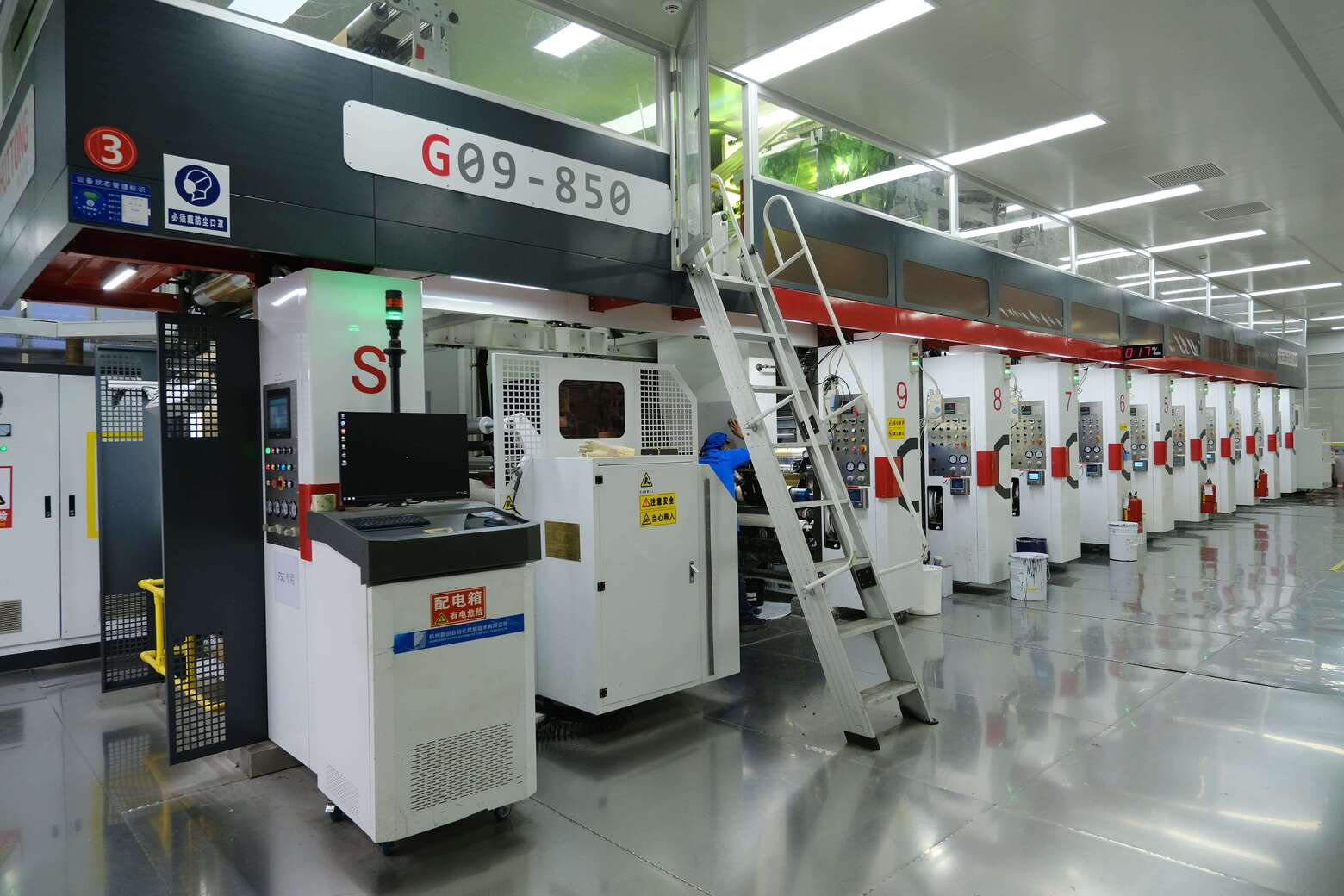
Rotogravure printing is an ink-volume transfer printing process. The graphic area of the printing cylinder is chemically etched or mechanically engraved to form recessed cells, while the non-graphic area is polished and raised to a smooth surface. During operation, ink fills the cells, excess ink on the cylinder surface is removed by a precision doctor blade, and the ink is transferred to the substrate under uniform pressure.
This process delivers extremely high color saturation, delicate image layers, and excellent printing durability. It is fully compatible with a wide range of flexible film materials, including BOPP, PET, PE, nylon, and metal foils. The printing resolution can reach up to 400 LPI, and the overprint registration error is controlled within ±0.05 mm, ensuring outstanding production stability and consistency.
Data from the global flexible packaging industry shows that ultra-large-scale standardized orders still account for more than 60% of the total market demand, especially in food, daily chemicals, and other fast-moving consumer goods (FMCG) sectors. Due to its stable output and cost advantages in mass production, rotogravure printing remains the preferred technology for orders exceeding 100,000 pieces. It also serves as a core guarantee for high-end export packaging that requires strict visual consistency.
The main limitation of rotogravure printing lies in its high plate-making cost and long production cycle. Therefore, it is more suitable for long-term, stable, and ultra-large-volume orders that match the procurement and supply strategies of international brand owners.
2. Flexo Printing: Eco-Friendly and Efficient Solution for Medium-Volume Production
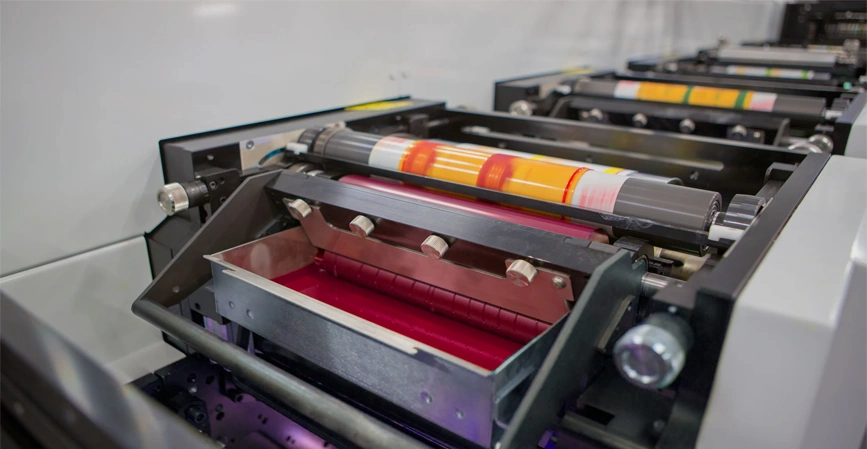
Flexo printing adopts a direct impression method with elastic relief plates. It uses photosensitive resin plates as the image carrier and anilox rollers to achieve accurate and quantitative ink supply. Commonly used inks include environmentally friendly water-based and alcohol-soluble inks, which feature fast drying speed, low volatile organic compound (VOC) emissions, and wide compatibility with various substrates. Particularly, it shows excellent adaptability to uneven or textured surfaces.
The plate-making cost of flexo printing is lower than that of rotogravure printing, and the production scheduling is highly flexible. It presents obvious cost advantages for medium-volume orders ranging from 5,000 to 50,000 pieces. By balancing production efficiency and environmental protection, flexo printing fully aligns with the global trend of green and sustainable packaging.
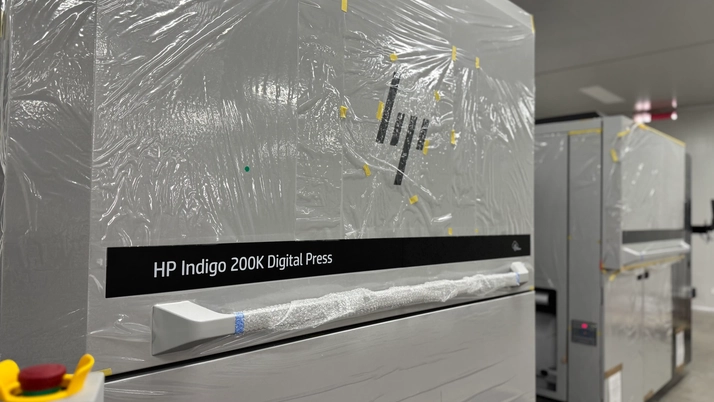
Digital printing eliminates the need for traditional plate-making and enables direct data-driven output. It offers zero plate-making fees, one-click job changeover, and fast delivery speed. It is ideally suitable for small-batch, multi-SKU, seasonal, and personalized packaging applications, with a highly flexible minimum order quantity (MOQ) to support new product trials, limited-edition marketing, e-commerce packaging, and other customized scenarios.
The printing resolution of advanced digital presses can reach up to 600 LPI, delivering strong detail expression for texts, patterns, and fine graphics. Its material compatibility continues to expand, making it the fastest-growing segment in the global flexible packaging industry in recent years.
Compared with traditional printing methods, digital printing completely breaks the limitations of plate production and realizes data-driven, one-click output, and instant production. The cycle from file submission to finished product delivery is shortened by more than 70% compared with conventional processes, perfectly matching high-frequency demands of overseas brands, such as new product testing, holiday limited editions, regional customization, and small-batch cross-border e-commerce orders.
In terms of cost structure, digital printing provides remarkable advantages. It requires no printing plates, generates minimal startup waste, and has no strict MOQ threshold, making small-batch packaging production below 1,000 pieces economically feasible. This helps international customers reduce inventory backlogs and capital occupation, achieving a lean supply chain based on a true "make-to-order" model.
In terms of environmental compliance, digital printing features zero solvent emissions, low energy consumption, and minimal material waste. It fully complies with EU packaging regulations and the US FDA food contact standards, aligning with the global sustainable packaging trend. In color accuracy and precision, modern digital printing equipment provides up to 1200 DPI high-definition resolution, with color reproduction close to 95%. It performs stably in gradient effects, small fonts, and fine patterns, meeting the high-end visual requirements of flexible packaging for food, cosmetics, pet supplies, pharmaceuticals, and other industries.
Why Choose RJ PACK For Flexible Packaging Supplier
Supported by RJ PACK’s advanced digital production lines and global overseas service system, digital printing realizes global remote file submission, 24-hour rapid proofing, and parallel production of multiple versions, greatly improving response speed for global customers. Digital printing creates commercial value for customers with faster time-to-market, lower operational risks, and stronger market competitiveness, becoming an irreplaceable advantage in the global competition of flexible packaging.
There is no absolute superiority or inferiority among rotogravure, flexo, and digital printing technologies—only differences in scenario adaptability. Rotogravure printing remains committed to high-quality and large-volume production; flexo printing balances environmental protection and production efficiency; digital printing leads the trend of personalized customization.
Supported by these three core technologies, RJ PACK continues to create long-term value for global customers with international-standard quality, localized services, and a global vision.
•Accurate printing for high-end packaging
•Adaptable MOQ options for both small and large orders
•Eco-friendly packaging choices that comply with international standards
•Quick turnaround and expertise exporting internationally
We are committed to becoming a reliable and trusted flexible packaging partner for customers around the world and jointly exploring new opportunities in the international flexible packaging market.
Conclusion
Digital printing, flexographic printing, and rotogravure are all essential components of contemporary flexible packaging. While digital printing leads in speed, flexibility, and customisation, flexo printing offers a compromise between cost effectiveness and environmental performance, while rotogravure shines in high-volume, high-consistency manufacturing.
Selecting the best printing technique is now a strategic choice for market success as global packaging demands continue to change due to shorter product cycles, sustainability laws, and brand differentiation.
Looking for the right printing solution for your packaging project?
Contact the RJ PACK team to choose the printing method best suited to your business based on your specific needs and learn more about our compliant, sustainable, flexible packaging solutions.