

3 Advantages of Cold Seal Film for Heat-Sensitive Products
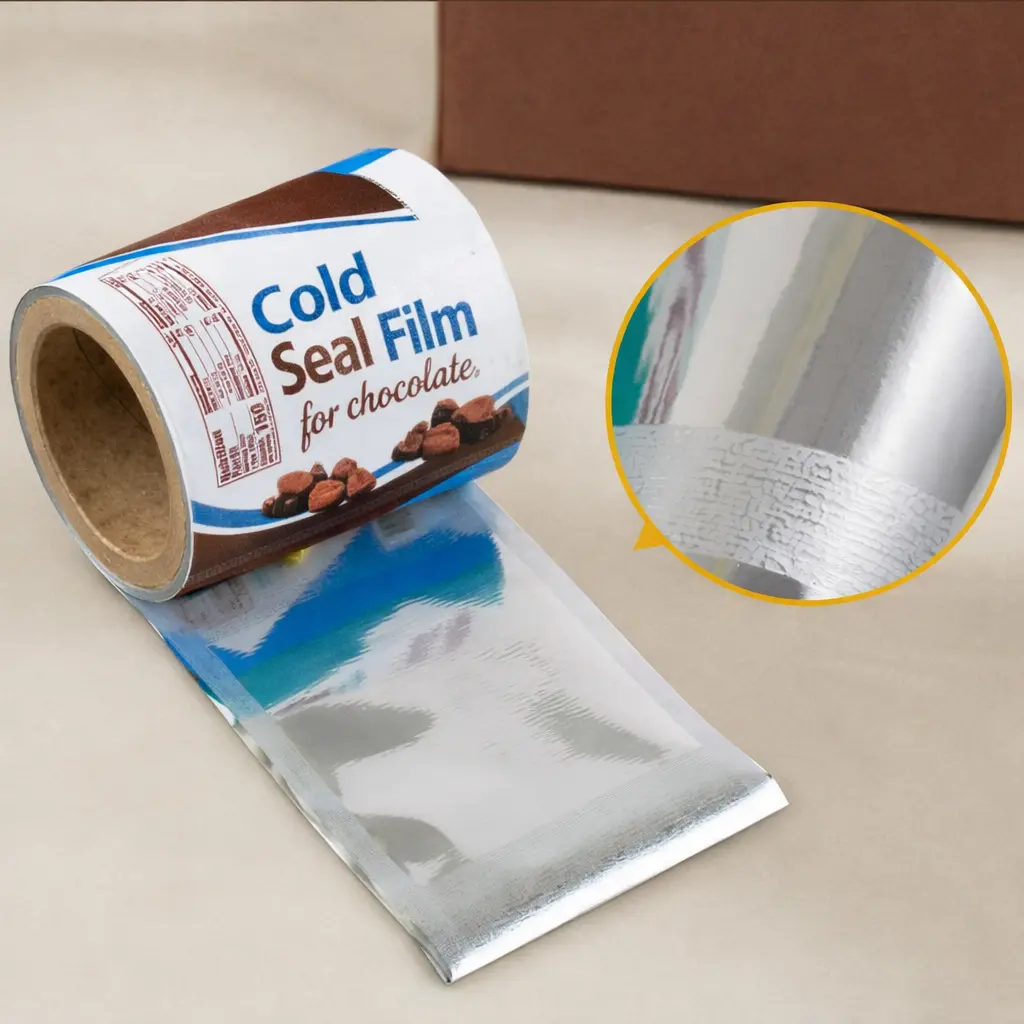
Manufacturers have particular difficulties when packaging heat-sensitive goods. When subjected to high temperatures during the packaging process, a lot of confections, chocolate, ice cream bars, and some pharmaceutical or nutritional products can easily melt, deform, or deteriorate. Conventional heat sealing techniques use thermal energy to fuse package materials, which may inadvertently harm delicate goods or change their texture and quality.
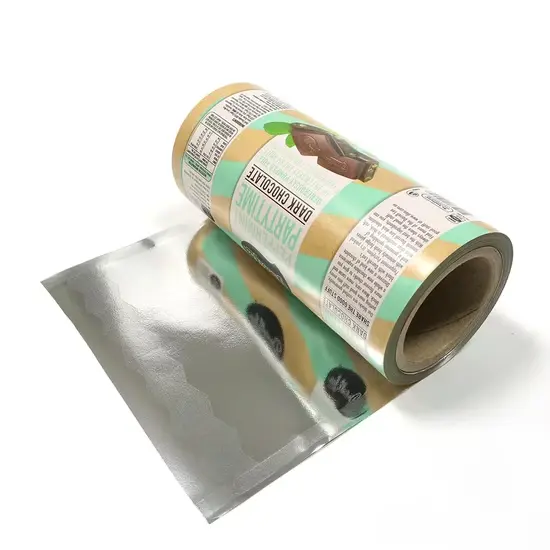
A cutting-edge flexible packaging solution created especially for goods that cannot withstand heat exposure is cold seal film. Cold seal packaging makes it possible to swiftly and safely seal products without utilizing high temperatures by employing pressure-sensitive adhesive layers in place of heat.
The three main benefits of cold seal film are examined in this article: maintaining product integrity, facilitating fast filling, and enhancing packaging operations' safety.
A pressure-sensitive adhesive layer is applied on cold seal film, a kind of flexible packaging material. Pressing two surfaces coated with adhesive together creates an instantaneous bind without the need for heat. This technique is frequently utilized in packing lines where speed and product security are crucial.
When compared to conventional heat seal packing, cold seal packaging does not require thermal sealing machinery or heating bars. This lowers energy consumption during the packaging process and safeguards products that are sensitive to temperature.
The food business frequently uses cold seal packaging, especially for:
Chocolate bars
Bars of ice cream
Candies & confections
Nutrition or protein bars
Snacks from bakeries
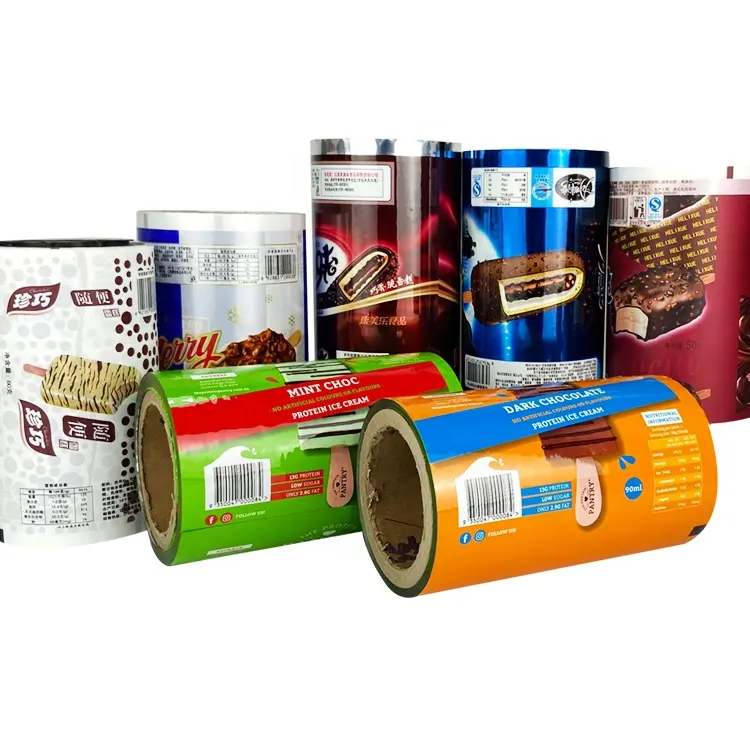
Advantage 1: Maintaining Product Integrity
Preventing product damage is one of the most difficult aspects of packing heat-sensitive goods. Products exposed to temperatures between 120°C and 180°C during heat sealing may melt, deform, or lose quality.
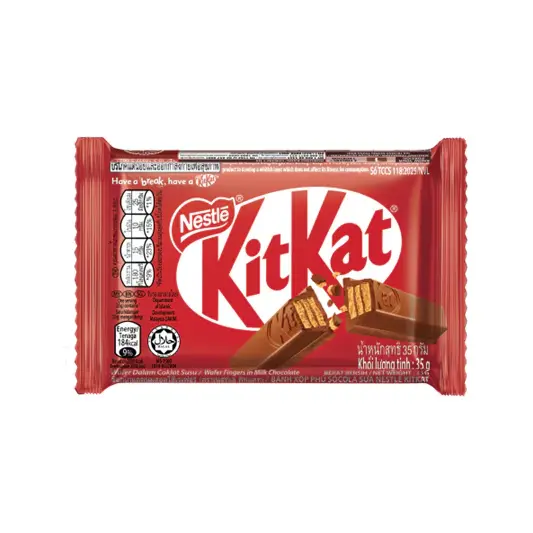
This problem is resolved with cold seal packaging film, which completely removes heat from the sealing process. The packing technique preserves the food's natural structure, flavor, and appearance because pressure, not temperature, is used to seal the goods.
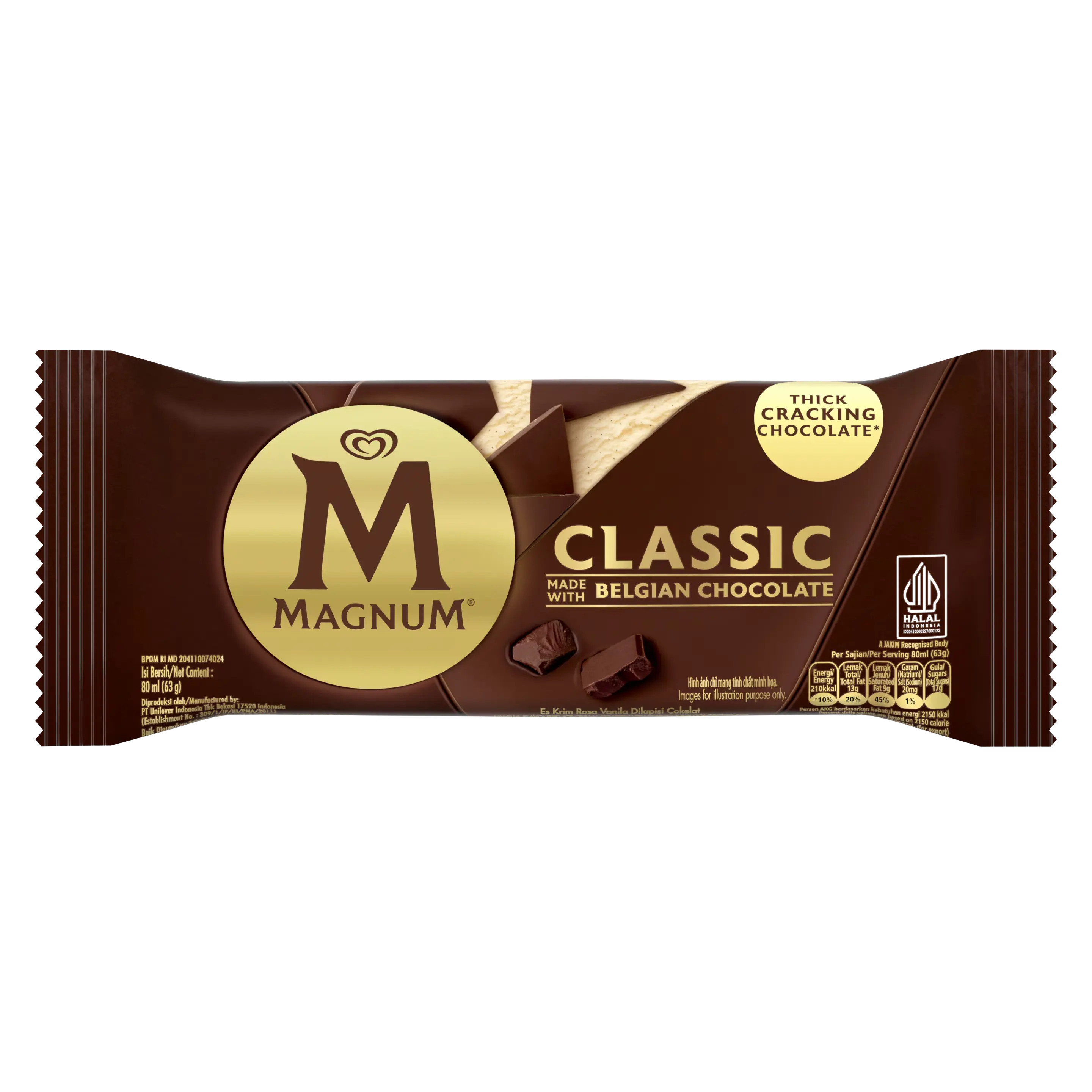
Cold seal film packaging is used by numerous top international food brands to safeguard heat-sensitive goods while preserving high manufacturing efficiency. For instance, chocolate bars like Snickers and KitKats are packaged in cold seal by major confectionery firms like Mars and Nestlé. Cold seal technology enables the bars to be wrapped by pressure-based sealing without thermal exposure because chocolate readily melts or develops surface bloom when exposed to heat during packing. Similar to this, frozen dessert companies like Magnum employ flexible packaging with a cold seal to wrap ice cream bars while preserving consistent product temperatures throughout the automated wrapping process.
Advantage 2: Quick Filling
The capacity to significantly speed up packaging is one of cold seal film's biggest benefits. The sealing process in conventional heat-seal packaging involves heating the sealing jaws, exerting pressure for a predetermined dwell period, and letting the seal cool before starting the next cycle. In high-volume production lines, these procedures always cause delays.
By employing pressure-sensitive adhesive coatings that quickly fuse when two coated surfaces come into contact, cold seal technology removes these limitations. Packaging lines do not need to wait for equipment to warm up at startup or dissipate heat during shutdown because no heating elements are needed. For high-volume food processors, this means that the cold seal process can be up to ten times faster than heat-seal packaging, greatly increasing throughput.
This speed advantage translates into quantifiable operational gains in real-world manufacturing settings. According to industry studies, cold seal packaging can provide 30%–50% higher efficiency than low-temperature sealing films and double the line speed of conventional heat-seal systems.
These productivity increases mean the following for manufacturers:
•Increased manufacturing capacity without the need for additional machinery
•Quicker reaction to spikes in seasonal or promotional demand
•Decreased downtime brought on by heating cycles
•Reduced energy use and increased operating efficiency
High-speed packaging technologies are emphasized by organizations like the PMMI as a critical component in enhancing supply chain responsiveness and manufacturing efficiency in contemporary food production.
Advantage 3: Enhanced Safety
The high temperatures at which traditional heat sealing equipment operates raise the possibility of burns and other occupational risks. High temperatures can also make machinery maintenance more necessary.
By doing away with heated sealing bars, cold seal film greatly lowers these safety hazards. Workers work in a safer atmosphere with fewer risks when there is no high-temperature equipment.
Conclusion
Maintaining product quality while maximizing manufacturing efficiency requires careful consideration of the packaging material. Cold seal technology has become the go-to option for heat-sensitive goods including chocolate, confections, protein bars, and frozen snacks because it prevents heat exposure while facilitating quicker and more dependable packaging.
Manufacturers must implement packaging methods that safeguard delicate goods and increase production efficiency as the demand for premium packaged meals rises globally. Cold seal packaging is an increasingly significant technology in contemporary flexible packaging because it offers an efficient packaging solution that combines product protection, high-speed packaging performance, and better operational safety.
Custom flexible packaging films and pouches are the area of expertise for RJ Pack, a professional flexible packaging manufacturer. We offer top-notch cold seal film solutions and can suggest the best lamination structures and packaging materials based on your unique product needs, ensuring the best possible protection, shelf life, and packaging effectiveness.
Please contact RJ PACK team to find out more about personalized cold seal film packaging solutions.